
 Treats & Chews
 Probiotics
 Joints
 Dental
 Senior Dog
 See All

Are Treats Good for Dogs? Benefits, Risks & How to Choose Healthy Ones For Your Dog
Hardly anything catches the dog’s attention more than the rustle of treat packaging. Treats are the perfect way to show our dogs that we’re proud of their positive behavior and reward them for learning new skills. But are treats good for dogs? Or can all those daily rewards we give our beloved friends actually harm them?
Well, all of this depends on the type of treats, the amount, and the purpose of feeding them. A little treat here and there helps with the training process and improves the relationship between you and your furry friend. However, excessive feeding of treats, especially unhealthy ones such as those high in sugar and fat content, is detrimental to your dog’s health.
This guide explains how many treats your dog can eat safely, the ingredients that need scrutiny, and healthy alternatives you can use for training and rewarding.
Key Takeaways
- Treats can be good for dogs as long as you choose healthy options with high-quality ingredients and feed them in moderation.
- Limit treats to 10% of your dog’s total calorie intake to keep them at a healthy weight.
- Feed your dog treats made with whole-food ingredients, real protein sources, and natural preservatives like vitamin E.
- Avoid treats with artificial coloring, too much fat, salt, sugar, and xylitol, which are unhealthy for your dog.
- Feed your dog treats according to their age, size, and health status, and use low-calorie treats for training.
- Treats should promote your dog’s health but not replace nutritionally balanced, complete meals.

So, Are Treats Good for Dogs?
Treats can be good for dogs, but you must choose them carefully and account for them in your pup's daily diet. While dogs don't need treats to be healthy, they serve several useful purposes, such as mental stimulation and training, which contribute to your dog's health and wellbeing.
What Are the Benefits of Treats for Your Dog?
If you've just started training your dog, you'll definitely need safe treats to reward good behavior. Giving treats can help your dog connect an action, such as sitting or staying, with a positive result. This makes it easier to mark good behavior immediately as it happens.
A study by Vieira de Castro et al. (2020) on 92 companion dogs from aversive and reward-based schools found some benefits of treats for dogs. Dogs from reward-based schools showed fewer stress-related behaviors and smaller increases in cortisol after training than dogs from aversively trained schools. They also responded positively to affection and learned faster than dogs in the aversive group.
Based on the findings of the study, we can confidently say that healthy treats can also:
- Strengthen the bond between you and your furry companion.
- Provide mental stimulation through training, puzzles, and toys.
- Help your dog build confidence when introducing them to unfamiliar people or situations.
- Make grooming and veterinary handling less stressful.
When Do Treats Become a Problem?
Feeding your dog treats in moderation is okay, but overfeeding them can lead to obesity and potential health problems. Treats become a problem when they add excessive calories or trigger other health issues such as digestive upset.
Most commercial treats can leave nutritional gaps, so don't use them to replace balanced meals. Also, don't feed your pup high-fat snacks because they cause vomiting or diarrhea in dogs with sensitive tummies. High-calorie treats increase the risk of obesity, which can cause joint health issues and reduce your dog's quality of life.
Treats can be good for training, bonding, mental enrichment, and confidence, but you must use them thoughtfully. Excessive feeding can lead to poor nutrition, weight gain, reinforced cravings, and digestive issues
This is why you need to look for healthy dog treats. At Pup Labs, we formulate vet-approved dog chews and treats to support healthy teeth, proper digestion, and overall wellbeing, while offering the tasty crunch your dog will love. The goal is to find the perfect treat and keep your dog tail-wagging happy!

What Differentiates Healthy Options from Bad Dog Treats?
The main difference between bad dog treats and healthy ones is the ingredients. While the package often features words such as wholesome, natural, human-grade, or organic, it's the ingredient list that tells the truth about a dog treat.
Look for Whole-Food Ingredients
Always look for healthy dog treats that contain a few recognizable or natural ingredients. For instance, choose dog treats with recognizable whole proteins like salmon, chicken, rabbit, or turkey, which are healthier than unnamed animal by-products. This ensures the treats won't contain unhealthy fillers that add no nutritional value.
Healthy dog treats often contain:
- A short, understandable ingredient list.
- Clearly named protein sources.
- Low or moderate fat and sodium.
- No fillers or artificial flavors.
- Natural preservatives, such as mixed tocopherols, which are a form of vitamin E.
Single-ingredient options are good for dogs with food sensitivities because they make it easier to identify and avoid allergens. However, single-ingredient doesn’t automatically imply low calorie. Portion size still matters. Check the calories per treat before buying. A small treat can contain more energy than several training treats.
Ingredients to Watch Out For
Don't feed your pup treats with the following ingredients:
- Excessive sugar or salt
- Artificial colors
- Chemical preservatives
- Vague meat ingredients
- Fried foods
- Rich baked goods
- Fatty table scraps
Sugar-free baked foods, candy, peanut butter, gum, and other human foods may also contain xylitol, an artificial sweetener that's life-threatening to dogs. Don't give your dog treats before checking every ingredient. Also, look for product reviews online and reputable brands.
Human foods like onions, garlic, grapes, raisins, chocolate, and heavily seasoned scraps are also unsafe for dogs. Raw or freeze-dried treats can also carry harmful bacteria, so discuss such products with your vet, especially if you're living with young children or immunocompromised adults.
| What to Look For | What to Avoid |
| Named whole proteins | Unnamed meat by-products |
| Limited ingredients | Long lists of fillers (components made to make your dog feel full) |
| Moderate calories | High-fat recipes |
| Natural preservatives | Artificial colors and preservatives |
| Clear sourcing information | Vague manufacturing details |
Choose Treats Based on Your Dog’s Needs
A puppy needs a carefully balanced growth diet, so give them small, soft rewards that won't interfere with their daily meal plan. Senior dogs also need softer chews, but their treats should address changing calorie needs and any age-related issues, such as mobility and dental health.
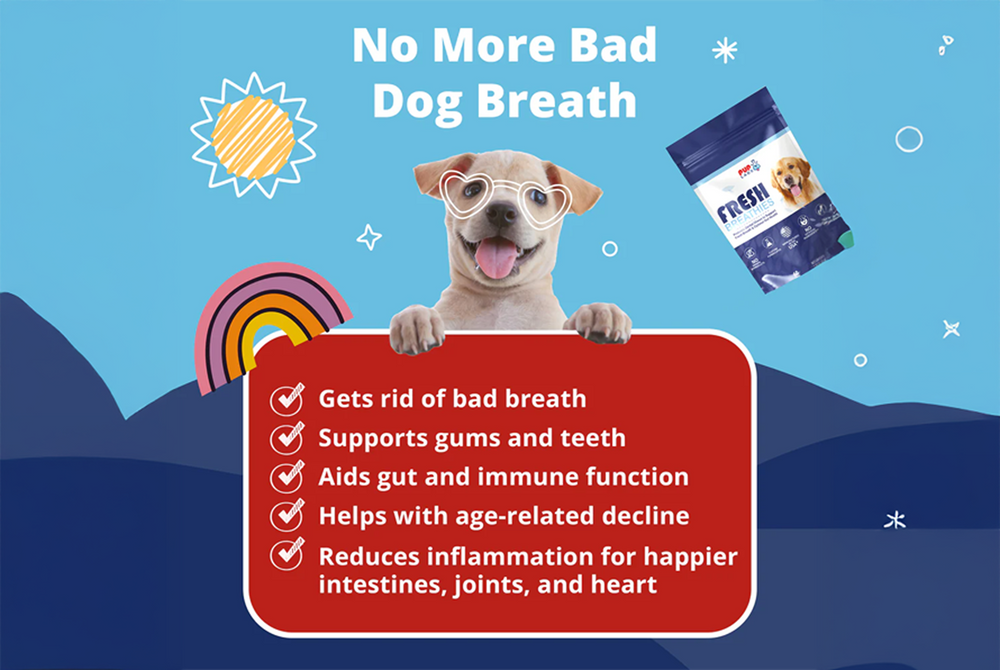
This is why we formulate our senior dog supplements to address a variety of age-related issues, including joint pain, digestion, and reduced cognitive function. They include specially formulated treats like Freedom Joint Chews for joint health and Fresh Breathies Dental Chews for dental health. These treats contain vet-approved ingredients to support overall vitality.
Overweight dogs need low-calorie dog treats in very small portions. Dogs with allergies may do better with limited-ingredient products, while pets with digestive issues often need lower-fat options introduced gradually.
If your dog is struggling with a sensitive tummy, they need a functional treat. For example, we've formulated our Tummy Essentials Digestive Chews and the entire dog probiotics collection to support digestive comfort and gut health. Read more about this in our guide on how to improve gut health in dogs.

How Many Treats Are Safe for Your Dog Each Day?
The safe number of treats for your dog per day depends on their weight, age, activity level, health conditions, and the calories in each treat. Counting pieces alone can be misleading, as a single large biscuit can contain as many calories as several tiny rewards.
Follow the 90/10 Rule
Nutrition guidance from UC Davis Veterinary Medical Teaching Hospital, Nutrition Support Service recommends that at least 90% of a dog’s calories come from complete and balanced food. Treats, table scraps, toppers, and other extras should provide no more than 10%. This means that a dog eating 400 calories per day should receive no more than about 40 calories from treats and other extras.
If your dog is overweight, very young, elderly, or living with diabetes, heart disease, pancreatitis, or another medical condition, consult a veterinarian to estimate an appropriate daily calorie target.
Best Treats for Training
Training often involves frequent rewards, so use tiny, low-calorie pieces. Most dogs care more about receiving the reward than its size.
You can break soft treats into smaller portions or reserve part of your dog’s measured kibble for training. Save higher-quality chicken, salmon, turkey, or beef treats for difficult tasks or distracting environments.
Healthy Alternatives
Many dogs enjoy plain fruits and vegetables. Introduce unfamiliar foods slowly and cut them into safe, bite-sized pieces.
| Better Choice | Less Healthy Choice |
| Freeze-dried cooked chicken | High-fat jerky |
| Blueberries | Sugary biscuits |
| Plain green beans | Fatty table scraps |
| Small training treats | Large biscuits |
| Carrot or cucumber pieces | Fried foods |
| Seedless apple slices | Dog cupcakes |
Remove apple seeds and cores, and serve produce plain, without salt, sauces, butter, or sweeteners.

How to Choose Healthy Treats for Your Dog
Good packaging doesn't prove treats are healthy. Turn the bag over, read the label, and compare the product with your dog’s individual needs.
Questions to Ask Before Buying
Before adding a treat to your cart, ask:
- Where was the product manufactured?
- Does the company explain where its ingredients come from?
- Is a named protein one of the first few ingredients?
- How many calories are in each piece?
- Is the recipe appropriate for my dog?
- Does it contain unnecessary artificial additives?
- Is the ingredient list suitable for known allergies or health conditions?
Reputable manufacturers should provide clear feeding directions, ingredient details, calorie information, and contact details. Avoid damaged packages or products with unusual odors, discoloration, or missing lot information.
The Size of the Treat Matters
Match the treat’s size and texture to your dog’s age, mouth, and chewing habits. Pieces that are too large or hard can damage teeth, while small pieces may pose a choking hazard for larger dogs that swallow without chewing.
Supervise chews and discard pieces that have become small enough to swallow whole. Rawhide and poorly constructed chews can soften, break apart, and cause choking or intestinal blockage. Some dental chews can reduce plaque and calculus when given consistently, but they should not replace brushing or veterinary dental care.
Frequently Asked Questions
Are Treats Bad for Dogs?
Treats aren't inherently bad for dogs. The real concern is giving too many treats or choosing products made with low-quality ingredients. As a general guideline, treats should provide only 10% of your dog's daily calories, with the remaining 90% coming from a complete and balanced diet. Every dog owner should choose treats that match their pup's age, size, activity level, and overall health. An occasional special treat is perfectly fine when it fits within a healthy feeding plan.
Are Training Treats Unhealthy?
No. Training treats are excellent for rewarding good behavior, provided you choose them wisely. Look for small, low-calorie treats that are easy to chew and eat quickly so your training sessions keep moving. You can also break larger treats into bite-sized pieces or use part of your dog's daily kibble allowance. Remember to include every reward in your dog's daily calorie intake, especially if you're doing frequent training sessions.
What Are the Healthiest Treats for Dogs?
The healthiest dog treats contain simple, recognizable ingredients and high-quality protein. Lean chicken, turkey, or beef, limited-ingredient treats, carrots, green beans, blueberries, cucumber, and functional chews are all good choices. However, check the ingredient list carefully because not all treats are created equal. Look for natural preservatives, such as vitamin E, and avoid treats with artificial colors, animal by-products, unnecessary fillers, or excessive preservatives. Choosing products made in countries with high-quality control standards, such as the USA, provides additional peace of mind.
Can Treats Upset My Dog's Stomach?
Yes. High-calorie treats, sudden diet changes, overeating, or unknown ingredients can cause digestive upset, vomiting, gas, or loose stools. Dogs with food sensitivities react to certain proteins or additives, so introduce new treats gradually and offer only one new product at a time. Avoid treats that are high in fat or sodium, such as some jerky products, as they're harder to digest. If your dog has a sensitive stomach, give them functional digestive chews or other safer alternatives.
Are Homemade Treats Healthier Than Store-Bought Treats?
They can be, but the ingredients still need to be safe, nutritious, and appropriate for your dog's needs. Avoid toxic foods such as onions, garlic, chocolate, grapes, raisins, and anything containing xylitol. Homemade treats should also fit within your dog's daily calorie allowance. A simple homemade snack made with whole-food ingredients is a better option than heavily processed commercial products.
What Fruits and Vegetables Can Dogs Eat as Treats?
Certain fruits and vegetables are excellent low-calorie rewards. Plain carrots, green beans, cucumber, blueberries, and seedless apple slices are healthy choices for most dogs. Wash fresh produce thoroughly, remove seeds and cores, and cut everything into bite-sized pieces to reduce the risk of choking. These fresh snacks are safer alternatives compared to high-fat commercial treats when your pup deserves a reward.
What Do Veterinarians Recommend When Choosing Dog Treats?
Veterinarians often recommend choosing treats made with high-quality, recognizable ingredients and feeding them in moderation. Look for products with a named protein as the first ingredient, limited additives, moderate calorie content, and natural preservatives such as vitamin E. Don't feed your dog treats with artificial colors, excessive salt, or high fat content. These may contribute to obesity and increase the risk of other health problems, including heart disease, over time. The best treat should support your dog's overall health while fitting their individual nutritional needs.
Conclusion: So, Are Treats Good or Bad for Dogs?
Treats are generally good for training and bonding with your dog. They only become a problem when you feed your dog treats made with poor-quality ingredients, oversized portions, and products that don’t match their nutritional or physical needs.
Keep extras below 10% of daily calories. Look for recognizable ingredients, check the calorie count, avoid xylitol and other unsafe foods, and choose a texture your dog can chew safely. Low-calorie rewards work best for repeated training, while carefully selected functional chews may support digestive or dental health.
Most importantly, treats should complement a complete and balanced diet. When you reward your dog thoughtfully, you can reinforce good behavior and share moments of affection without losing sight of the deeper responsibility for their wellbeing.
References
- Vieira de Castro, A.C., et al. (2020). “Does Training Method Matter? Evidence for the Negative Impact of Aversive-Based Methods on Companion Dog Welfare.” PLOS ONE.
- UC Davis Veterinary Medical Teaching Hospital, Nutrition Support Service. (2020). Treats guidelines for dogs. University of California, Davis.
- Carroll, M.Q., et al. (2020). “Effects of Novel Dental Chews on Oral Health Outcomes and Halitosis in Adult Dogs.” Journal of Animal Science.
- U.S. Food and Drug Administration, Center for Veterinary Medicine. “FDA Investigates Animal Illnesses Linked to Jerky Pet Treats.”