
 Treats & Chews
 Probiotics
 Joints
 Dental
 Senior Dog
 See All

Leaky Gums in Dogs: Causes, Warning Signs & Home Treatments
Leaky gums are a common occurrence in dogs, and this alone can make it hard to distinguish what is normal from what is not. Even though research shows that around 80% of dogs develop some form of periodontal disease by age three, that should not be something to accept as inevitable for your dog.
Despite its prevalence, the condition can be quite harmful. It is often accompanied by plaque and bacterial buildup, which can eventually harden into tartar that inflames the gums and progress to tissue destruction. When left untreated, gum disease in dogs can affect vital organs such as the heart, kidneys, and liver, making early action critical for your pet’s overall health.
On the bright side, early gum inflammation can often be turned around. The solution is to act fast, know what you’re looking at, and use the right home care routines the right way.
By the end of this article, you’ll know what causes leaky gums, which warning signs matter most, and the best ways to stop leaky gums in dogs before the problem gets worse.
What Causes Leaky Gums in Dogs?
The one problem that leaky or bleeding gums in dogs usually stem from is plaque. However, several other factors can accelerate the condition’s deterioration. Let’s start by breaking down every possible factor and how each one works.
Plaque, Tartar & Bacterial Buildup
Every day, bacteria in your dog’s mouth form a sticky film on their tooth surfaces called plaque. When left to fester, plaque hardens into tartar (also called calculus) within just 2–3 days. Once it calcifies, tartar becomes difficult, if not impossible, to remove at home.
With time, the tartar moves below the gumline, where it triggers an immune response. The immune system sends inflammatory signals to fight harmful bacteria, and that inflammation causes the gums to swell, redden, and eventually bleed. What you’re seeing when you notice leaky gums is the immune system fighting the damage already done to your dog’s teeth.
Risk Factors That Speed Things Up
Some dogs have tougher odds from the start, mostly due to factors such as age, size, genetics, or overall facial structure. Key risk factors include:
-
Small and toy breeds: Yorkies, Dachshunds, and Chihuahuas have crowded teeth that trap more bacteria
-
Brachycephalic breeds: Pugs, Bulldogs, and French Bulldogs have compressed jaw structures that create additional crowding
-
Age: Risk increases significantly after age three, regardless of breed
-
Wet food diets: Wet food clings to teeth and creates the perfect environment for bacterial growth unless you’re compensating with frequent brushing
-
Kibble-only diets: Dry food without regular brushing allows plaque to accumulate faster, especially when the particles linger
-
Infrequent or no brushing: The single biggest controllable risk factor
-
Dirty toys and excessive self-grooming: Both introduce additional bacteria into the mouth regularly
Warning Signs of Leaky Gums in Dogs

One problem most owners have with dental disease is that it’s very easy to miss. By the time you notice bleeding gums, the condition may already be progressing past the earliest stage. An easy way around this is to know the early visible signs to look out for before things get out of control.
Visible Signs to Check at Home
Make it a habit to lift your dog’s lip and take a look every week. Some important things to look out for are:
-
Gum color: Healthy gums should be bubblegum pink. Red, dark pink, or purple gums are early signs of inflammation and swollen gums
-
Swelling: Puffiness along the gumline, especially where the tooth meets the gum, and the presence of periodontal pockets can be a red flag
-
Bleeding gums: Gums that bleed when gently touched or during eating
-
Tartar buildup: Yellowish or brown deposits on the teeth, particularly near the gumline
-
Gum erosion: Receding gumlines that expose more of the tooth root
-
Discharge: Visible pus or oozing at the gumline is a sign of active infection
Behavioral Signs of Dogs With Periodontal Disease
Sometimes the biggest clue is in their behavior. For instance, excessive drooling in dogs can happen when the mouth is irritated. If you’ve wondered what excessive drooling in dogs means or why it happens, oral pain is one of the major answers. You may also notice:
-
Persistent bad breath
-
Pawing at the mouth
-
Chewing on one side
-
Dropping food
-
Losing interest in hard treats and chew toys
In advanced cases, dogs suffering from severe periodontal disease may experience bone loss, tooth loss, and missing teeth. These dogs may also lose weight, act tired, or stop eating normally.
If your dog has marked swelling, visible pus, loose teeth, facial swelling, or has stopped eating, skip DIY care and book an examination. Those signs can indicate more advanced periodontal disease or another oral problem that requires a professional dental cleaning and treatment plan from veterinary dentists.
Best Ways to Stop Leaky Gums in Dogs: Home Treatments That Work

If your dog’s problem is early gingivitis, this is the one stage you can easily reverse with consistent home care. You can do this by reducing bacteria, calming inflammation, and stopping the decay before it moves below the gumline.
Daily Brushing
Daily brushing is still the best at-home remedy and preventative care your dog needs. Use a soft dog toothbrush or finger brush, angle it toward the gumline, and go in small circular motions to clean all tooth surfaces effectively.
Always use dog toothpaste instead of human toothpaste, as human toothpaste contains ingredients that are toxic to dogs if swallowed. They often include fluoride, which can cause stomach upset or toxicity, and xylitol, a sweetener that leads to dangerous low blood sugar and liver failure even in tiny amounts.
Start slow if your dog resists. Let them lick the toothpaste first to get used to the taste, then gently introduce the toothbrush. Daily brushing is ideal when you’re trying to stop gum issues from progressing, but if that’s not realistic yet, aim for every other day and stay consistent. Regular brushing is the foundation of any effective oral hygiene routine.

Natural Remedies for Improving Dog Dental Health
For dogs already showing early signs of inflammation, several evidence-informed natural options can help reduce bacterial load and promote healing of irritated tissue:
-
Coconut or MCT oil: Lauric acid, the primary fatty acid in coconut oil, has documented antibacterial properties that can help soothe gum disease in dogs and support healthier gums.
-
Aloe vera gel (food-grade, xylitol-free): Soothes irritation and may reduce swelling. Confirm the product does not contain xylitol, which is toxic to dogs.
-
Bee propolis tincture: A natural antibacterial compound used for centuries. It can be applied to the gumline once daily to treat gum disease and promote healing.
-
Ozonated oil (sunflower or olive, ozone-infused): Antimicrobial and shown to support tissue healing and reduce plaque buildup
For dogs who resist brushing or need extra support between sessions, our ProDenta is a dog dental powder that fits easily into daily routines and can help remove tartar and freshen breath. It’s one of the products pet owners turn to when brushing alone isn’t cutting it. We also have a detailed guide on how to safely remove tartar from a dog’s teeth, and you will find some additional information that can help ease the process.
Dental Chews, Toys & Diet
Dental chews can also help, especially when they carry the VOHC (Veterinary Oral Health Council) seal. They are not a replacement for brushing, but can reduce plaque and tartar between brushings. Use softer, safer options and avoid hard antlers, nylon bones, or anything harder than the tooth itself to prevent tooth fracture.
Cornell, the AVDC (American Veterinary Dental College), and VOHC all support dental chews and other accepted products as helpful additions to daily oral care. Chew toys can also mechanically clean tooth surfaces and reduce bacterial growth between professional dental cleaning sessions.
Diet plays a major role in dog oral health. Kibble-only diets without regular brushing create the perfect environment for plaque buildup. Raw diets, especially those that include raw meaty bones, can provide a degree of mechanical cleaning that dry food doesn’t. Crunchy vegetables like carrots can also help gently scrape the teeth and reduce plaque on the oral cavity walls. These eating habits and overall food choices directly influence how quickly tartar accumulates.
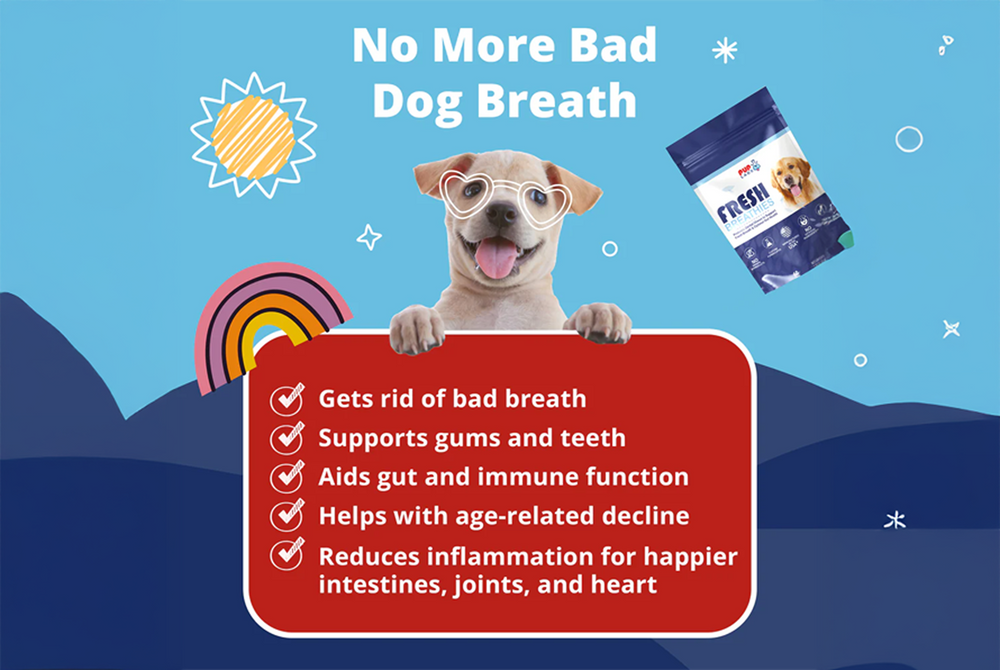
For a more effective routine, you can pair brushing with our Fresh Breathies Dental Health Chews, which help clean teeth and reduce bad breath.
Preventing Leaky Gums in Dogs: Building a Long-Term Routine

The best treatment for leaky gums is making sure they never get to that point. Building a consistent oral health routine is the most effective way to prevent gum disease in dogs and promote long-term dental health. Here’s the routine we recommend for every dog:
-
Daily toothbrushing: Or every other day at a minimum.
-
Weekly gum checks: Lift the lip, assess color, check for swollen gums, swelling, or tartar progression.
-
Annual professional dental cleaning: Bi-annual for small breeds or any dog with a history of rapid tartar buildup. Veterinary dentists can perform thorough examinations and dental x-rays to detect problems not visible to the naked eye
-
Diet that supports oral health: Feed mixed or raw diets where possible and limit wet food unless you’re compensating with more frequent brushing
-
VOHC-approved dental chews daily: As a supplement to brushing, not a replacement for it
-
Oral health supplements: Probiotics and enzymatic products are particularly useful for dogs who are genetically predisposed to rapid plaque accumulation. These help promote oral health from the inside out and support a dog’s healthy mouth microbiome.
If your dog is already showing early warning signs, read our guide on dog gums bleeding: causes, risks, and how to maintain your pup’s oral health.
FAQs
What ingredients should I look for in dog toothpaste for gingivitis?
When choosing toothpaste for your dog, prioritize enzymatic ingredients such as glucose oxidase, lactoperoxidase, and lysozyme that help break down plaque bacteria and mimic saliva’s natural defenses.
Calprox (calcium peroxide) is also excellent for softening plaque without brushing, while zinc gluconate provides antibacterial action to reduce inflammation. Avoid human toothpaste ingredients such as fluoride or xylitol, because they are toxic to dogs.
What Heals Gums the Fastest?
The fastest ways to heal swollen gums involve removing plaque, reducing bacteria, and following basic oral hygiene practices. Being consistent with oral care and adding the right supplements in between can also help promote healing and speed up the process.
Can Stress Cause Gum Problems in Dogs?
Chronic stress does not directly cause gum disease in dogs, but it can make existing or developing dental problems worse by affecting their immune system and behavior. Hence, stress reduction should be part of your overall care, alongside proper dental treatment.
How Often Should I Brush My Dog’s Teeth?
Daily is the goal, but you can also work with every other day as the practical minimum. Plaque begins hardening into tartar within 2–3 days, so brushing less frequently than every other day makes it difficult to avoid tartar buildup and the gum erosion that follows.
What is the best dental product for dogs with gum disease?
The best dental products for your dogs are those carrying the VOHC seal. It is the only third-party validation that a product has been clinically tested for plaque or tartar reduction. Your vet may also recommend a dental procedure or thorough examination if the condition requires professional intervention.
Can Gum Disease in Dogs Affect Their Major Organs?
Yes. When left untreated, the bacteria from canine periodontal disease can enter the bloodstream and affect major organs, including the heart, kidneys, and liver. This is one reason why addressing leaky gums early, before they progress to severe periodontal disease or advanced periodontitis, is so critical for your dog’s overall health.
Conclusion
Leaky gums are a warning sign, and in many dogs, they’re the first visible clue that plaque and bacteria are starting to irritate the gumline. If you catch it early, you have a real chance to reverse the damage before it becomes deeper periodontal disease that threatens your dog’s dental health, and their overall health too.
The best home treatments are the everyday basics: consistent brushing for effective plaque removal, safe dental chews, and weekly gum checks. Pair these habits with a treatment plan that includes regular veterinary dental cleaning and a diet that supports your dog’s oral hygiene, and you’ll be well ahead of most pet owners.
If you’re ready to start today, ProDenta and Fresh Breathies Dental Health Chews are healthy supplements that can fit naturally into a daily oral-care routine and support healthier gums over time.
Reference
Cornell University College of Veterinary Medicine, Richard P. Riney Canine Health Center. (n.d.). Periodontal disease.